

Urgent Flood Cleanup in Crescent: Drying and Repairs

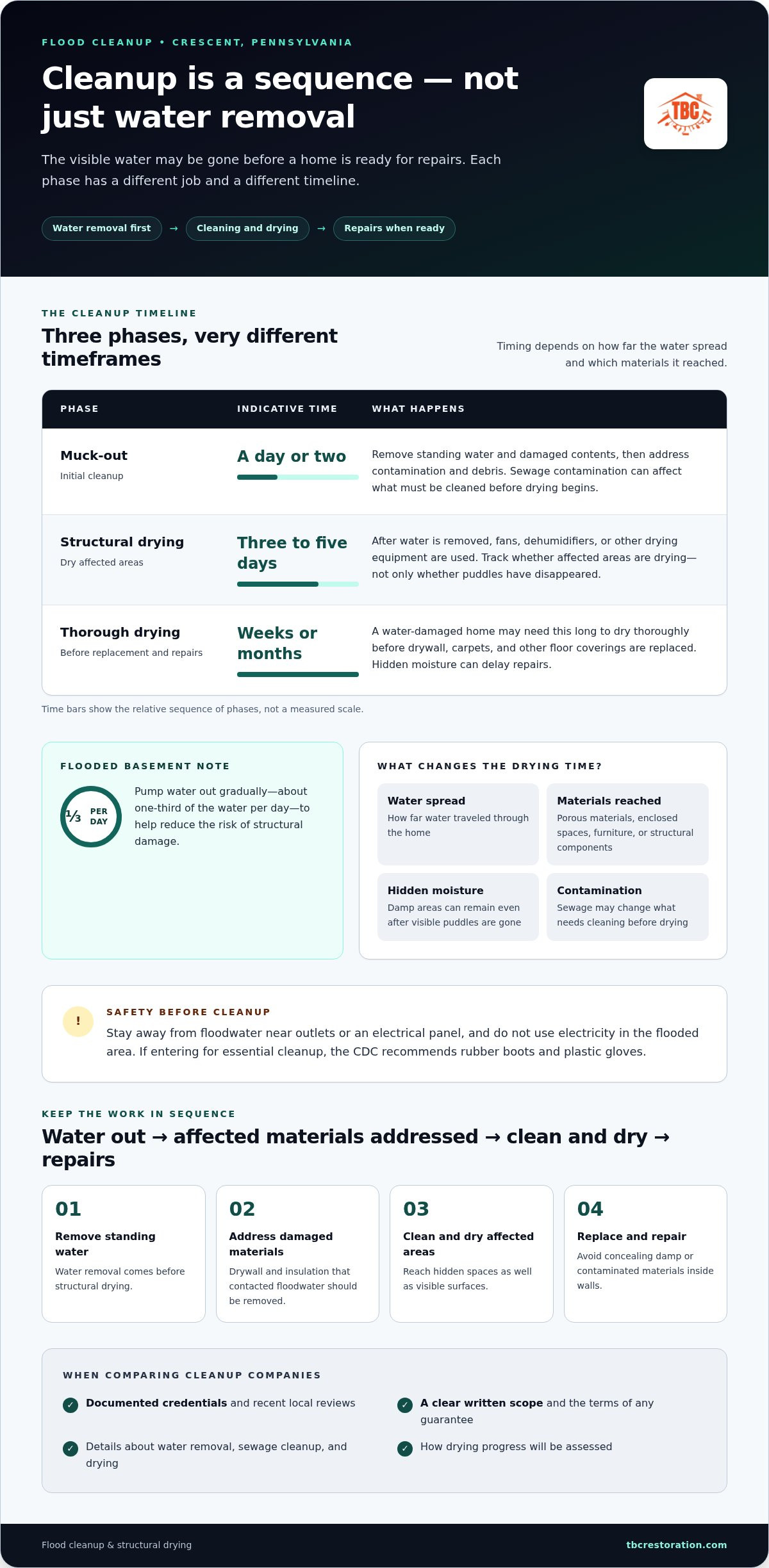
Flood cleanup takes longer than water removal alone. Urgent flood cleanup in Crescent often includes a day or two for cleanup and muck-out, followed by three to five days of structural drying. A water-damaged home may take weeks or months to dry thoroughly before drywall, carpets, and other floor coverings are replaced. The timeline depends on how far the water spread and which materials it reached.
It’s understandable to want a clear timeline when your home or business has flooded. Acting promptly can get cleanup underway, but safe, thorough drying takes time and depends on the extent of the damage, not just how quickly standing water is removed.
This guide explains the stages of flood cleanup, what happens to flood-damaged drywall and insulation, and how affected surfaces are cleaned and disinfected. You’ll also learn what to expect during the response and restoration process, so you can understand the next steps as recovery gets underway.
Table of Contents
How long does flood cleanup and drying take?
Flood cleanup and drying can take a day or two for muck-out, followed by three to five days of structural drying. A water-damaged home may need weeks or months to dry thoroughly before repairs or floor-covering replacement.
Compare cleanup companies by reviewing documented credentials, recent local reviews, a clear written scope, and the terms of any guarantee. Look for details about water removal, sewage cleanup, drying, and how progress will be assessed.
Permit, health, and disposal requirements depend on the cleanup work and the materials being removed. Keep contaminated debris separate from household waste and follow local disposal instructions.
This search refers to Crescent, Pennsylvania. Flood cleanup may involve removing standing water, addressing sewage contamination, drying affected structures, and handling damaged materials.
Emergency cleanup generally involves making the area safer, removing water and damaged contents, cleaning and disinfecting affected surfaces, then drying the structure. The sequence matters: floodwater must be removed before structural drying begins.
Before crews arrive, stay away from floodwater near outlets or an electrical panel, and don’t use electricity in the flooded area. If you enter for essential cleanup, the Centers for Disease Control and Prevention (CDC) recommends wearing rubber boots and plastic gloves.
Structural Drying After Water Removal
First, remove standing water; then use fans, dehumidifiers, or other drying equipment to dry affected areas. For a flooded basement, pump water out gradually, at about one-third of the water per day, to help reduce structural damage. Flood cleanup and muck-out often take a day or two, followed by three to five days of structural drying. Sewage contamination can also affect what must be cleaned before drying begins. In September 2021, Tzu Chi volunteers used four pumps to remove water from a flooded basement, showing how equipment supports water removal.
Drying Water-Damaged Materials
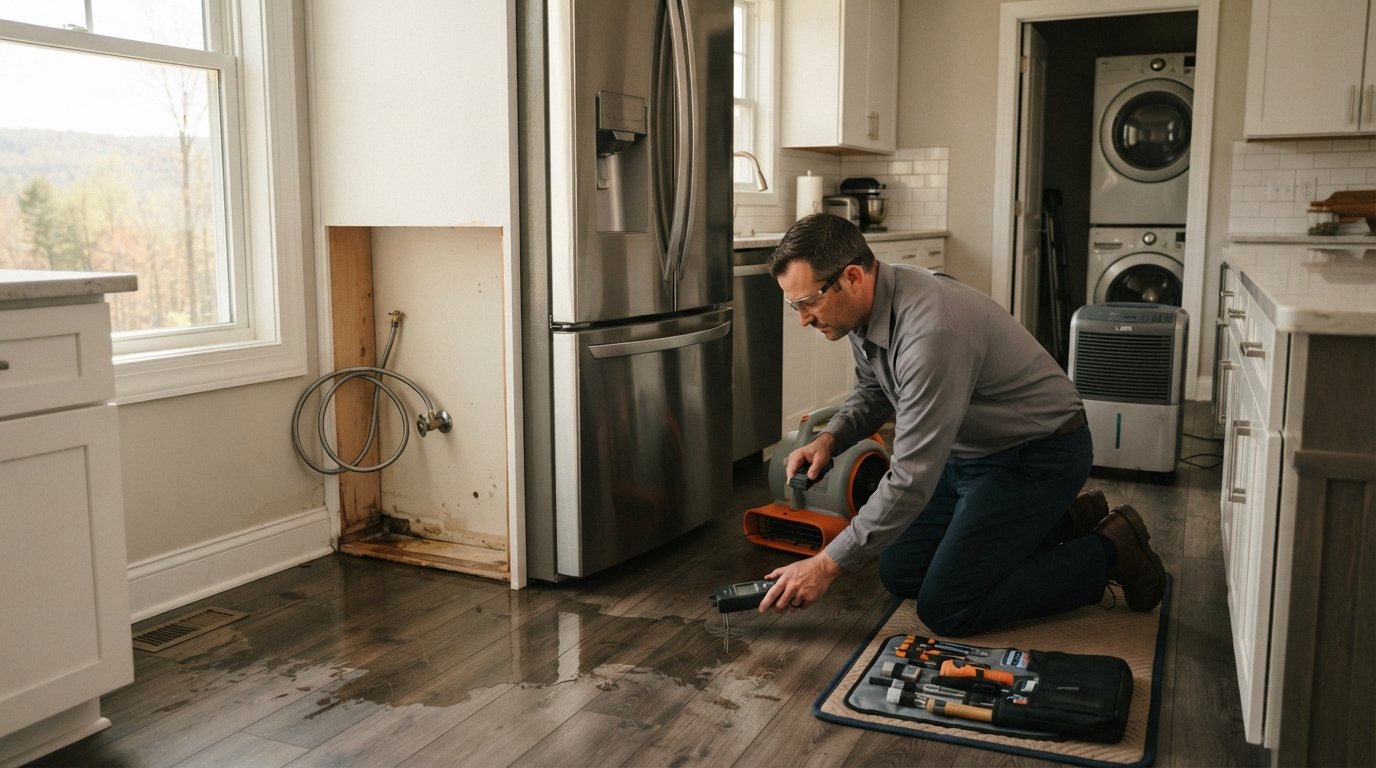
Drying time depends on how far water traveled and whether it reached porous materials, enclosed spaces, furniture, or structural components. A home may take weeks or months to dry thoroughly before drywall, carpets, and other floor coverings are replaced. Track whether affected areas are drying, not just whether visible puddles have disappeared. Damp materials can delay repairs, so decisions about removal and drying should account for hidden moisture as well as surfaces that look wet.
Removing flood-damaged drywall and insulation
Floodwater can damage building materials and belongings in homes and businesses. Drywall and insulation that contacted floodwater should be removed before affected areas are cleaned and dried.
Flood-Damaged Drywall Removal
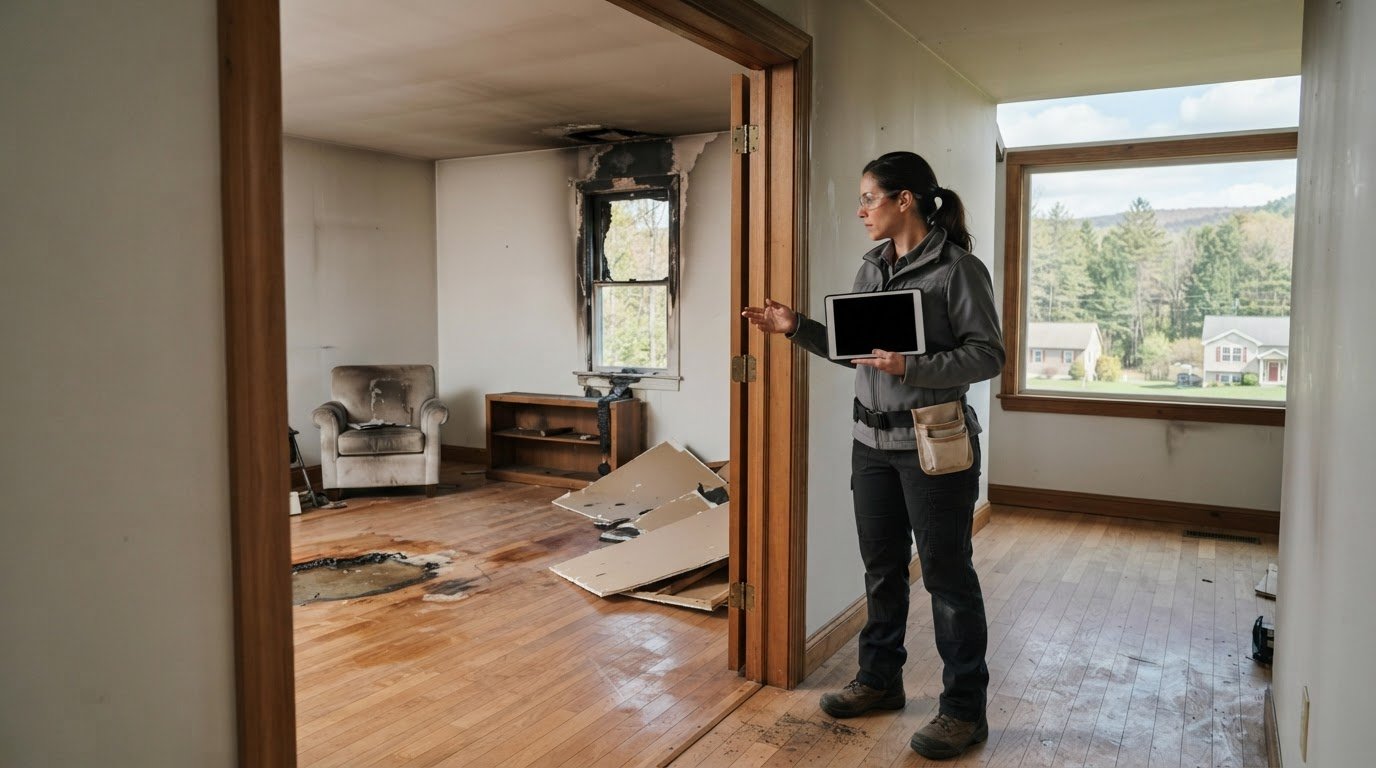
Identify drywall reached by floodwater, including areas behind furniture and along lower walls. Floodwater can contain sewage and other contaminants, so don’t assume visibly wet drywall is clean or ready to cover. Remove affected sections so the materials behind them can be accessed and assessed. Keep contaminated debris separate from belongings that weren’t exposed.
Flood-Damaged Insulation Removal
Remove insulation that has been in contact with floodwater, too. Check the exposed wall cavity after removing drywall, because insulation can hold water out of sight. Removing affected materials allows the area to be cleaned and dried. Don’t close the wall while damp or contaminated materials remain inside.
For a home, sort belongings by exposure: items touched by floodwater need separate handling from furniture and possessions kept dry. Discard food, beverages, and medicine exposed to floodwater or mud. Photograph damage before moving items, and record the affected rooms and materials.
In a business, water may affect work areas, stored goods, and building materials in different ways. Separate flood-exposed stock from unaffected items, then document damage by room or storage area. An organized record helps keep cleanup focused on the actual impact.
Sewage damage requires careful cleaning of affected surfaces after contaminated drywall and insulation are removed. Fire and smoke damage call for a different restoration approach: soot and smoke residue need attention on affected surfaces and contents. Removing visible soot alone doesn’t mean smoke damage has been fully cleaned.
Once damaged materials are removed, arrange cleaning and drying before repairs conceal the affected area. This sequence helps ensure hidden spaces receive attention as well as visible surfaces.
Cleaning and disinfecting after flooding
After a flood emergency in Crescent, remove contaminated water and debris before cleaning affected surfaces. Wash hard surfaces with hot water and soap or detergent, then disinfect them.
Cleaning Flooded Surfaces
Scrub floors, counters, and other hard surfaces thoroughly before applying disinfectant. Follow the product directions and cover the entire affected surface, including corners and edges. Replace dirty cleaning water as you work to avoid spreading residue onto areas you’ve already cleaned. Discard food, beverages, and medicine touched by floodwater or mud instead of trying to clean them for reuse.
Flood-exposed dishes can be sanitized by immersing them for 10 to 15 minutes in a solution of 1 tablespoon of unscented liquid chlorine bleach per gallon of water. Throw away wooden cutting boards, wood or plastic utensils, baby bottle nipples, and pacifiers exposed to floodwater. Have appliances inundated by water checked before using them.
Disinfection and Mold Prevention
After washing surfaces, disinfect them to address bacteria or mold that may remain after flooding. A bleach solution is one option for cleaning flood-damaged surfaces. Follow the product directions and treat the full affected area. Removing visible dirt alone won’t address moisture in materials or hidden spaces.
Drying matters because moisture can remain after standing water is gone. Leave affected areas open to dry after cleaning, and check nearby materials for dampness. At a Crescent property, cleaning and drying should both be completed before repairs conceal affected spaces.
Contaminated Water and Sewage Risks
Floodwater may contain sewage and other contaminants. Remove it and separate contaminated debris from items that can be cleaned. Remove flood-exposed drywall and insulation, and wash and disinfect affected hard surfaces. This helps expose areas that need further cleaning and drying.
Cleanup crews address sewage risks by removing contaminated materials, cleaning affected surfaces, and disinfecting them before drying continues. Mold risks can also depend on moisture in concealed areas, not just visible staining. Discard contaminated food and items that can’t be safely cleaned, and keep inundated appliances out of use until checked.
24/7 Flood cleanup dispatch
Flood damage can keep worsening while water remains inside a property. A 24/7 dispatch means emergency restoration requests can be received at any hour, including during overnight storms or a hurricane. The practical goal is to start a clear sequence: describe immediate hazards, identify affected areas, and begin planning water removal and drying.
On the first call, give the property address in Crescent, explain where water entered, and say whether it reached a basement, living space, or business area. Mention possible sewage contamination, standing water, and electrical hazards near outlets or panels. These details help responders understand conditions before entering and prioritize safe access.
Before cleanup begins, stay out of flooded rooms where electricity may be unsafe. Don’t operate equipment in standing water. If access is safe, keep people and pets away from affected areas, and note which rooms or belongings were exposed. A brief room-by-room description is more useful than moving furniture through contaminated water.
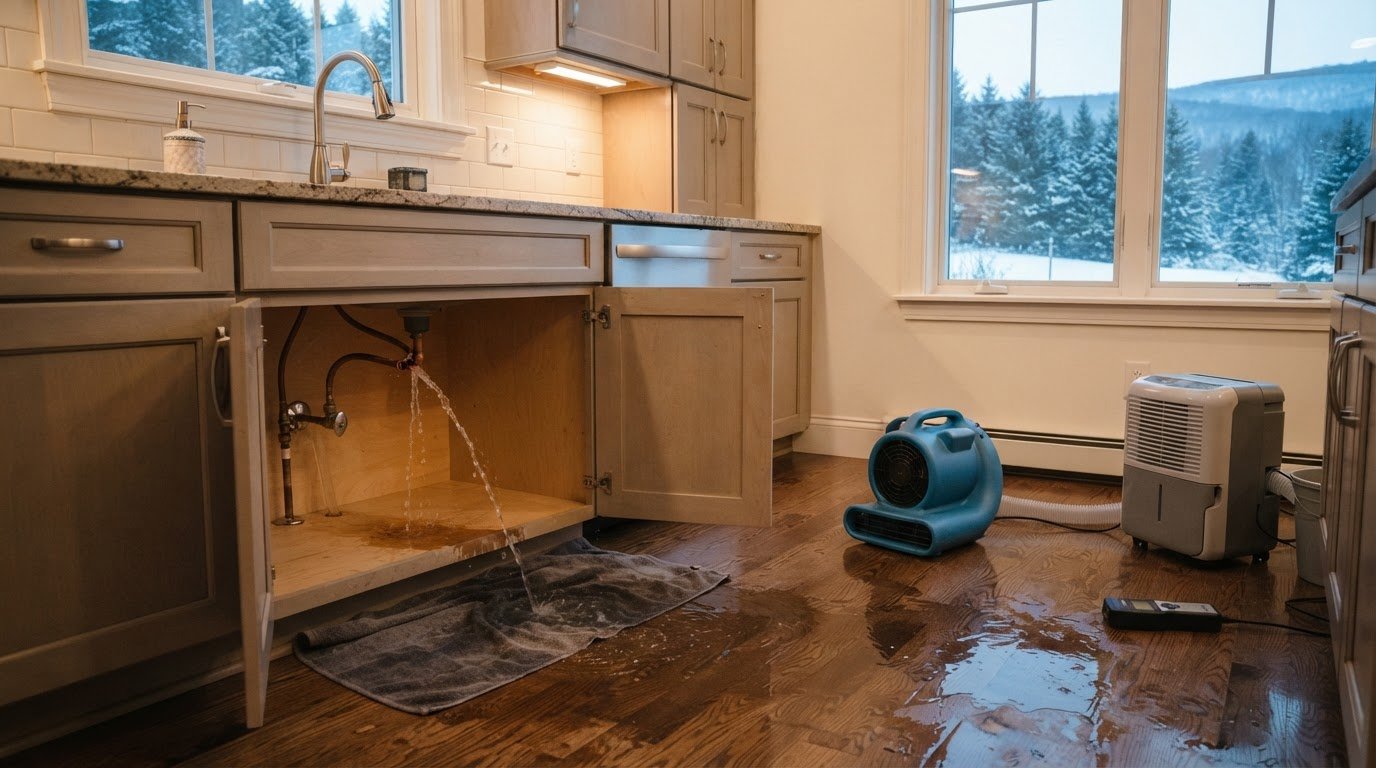
Once crews arrive, the work follows the damage: remove water, separate affected contents, clean contaminated surfaces, and set up drying equipment. Fans and dehumidifiers support drying after standing water is removed. Water trapped behind walls or beneath flooring may need additional attention, so visible puddles alone don’t show whether the structure is dry.
A dispatch does not mean the property will be restored in one visit. Cleanup and muck-out often take a day or two, followed by three to five days of structural drying. A water-damaged home may take weeks or months to dry thoroughly before drywall, carpets, or other floor coverings are replaced. The damage pattern and affected materials shape the work that follows.
Prepare a short call checklist: the Crescent address, safest entry point, affected rooms, water source if known, and visible hazards. Say whether floodwater may contain sewage. Clear information helps organize the response while keeping residents away from unsafe areas.
TBC Restoration: Water Damage Restoration
TBC Restoration provides Water Damage Restoration for homes and businesses affected by flooding. Turn to the team when standing water, damaged materials, or lingering moisture make cleanup and drying difficult to manage safely. Emergency Restoration Services address urgent property damage, while Mold Remediation and Testing can help with mold concerns after water intrusion.
Restoration focuses on the affected property and the work needed to support recovery. Describe which areas flooded, whether the water may have contained sewage, and what materials or belongings were damaged. These details help establish the cleanup needs and next steps.
For flood cleanup and restoration support, contact TBC Restoration.
Move Forward With a Clear Recovery Plan
After flooding, recovery can feel like a long list of urgent decisions. Start with the priorities that help you move forward: keep people away from unsafe areas, record the damage, and identify which rooms need attention first. A clear order makes the next decisions more manageable.
If you’re facing urgent flood cleanup in Crescent, professional help can bring structure to the work ahead. TBC Restoration supports property recovery through Water Damage Restoration and related restoration services. Share what happened and which parts of the property were affected so the conversation can focus on your immediate needs.
Contact TBC Restoration for flood cleanup to discuss the next step. Recovery takes a thoughtful sequence, but you don’t have to plan it alone. With a clear starting point, you can begin moving your property toward a safer, cleaner space.
Frequently Asked Questions
Can you save flooded furniture and belongings?
Some items may be cleanable, while others should be discarded depending on their material and contact with floodwater. Upholstered furniture, for example, can retain contaminated water inside cushions, while hard, nonporous items may be easier to clean. Keep exposed belongings separate from dry possessions, photograph damage, and note each item’s material and exposure. Discard food, beverages, and medicine touched by floodwater or mud.
Do you handle Sandy or Ida type storm-surge jobs?
TBC Restoration handles water damage and emergency restoration for properties affected by flooding, including storm-related water intrusion. Sandy and Ida were major storm events, but each property has its own conditions. Describe whether water entered from outside, whether sewage may be involved, and which rooms or business areas were affected. These details help clarify the restoration work needed at a Crescent property.
Is floodwater dangerous, and is it black water?
Floodwater can be dangerous because it may contain sewage, street runoff, fuel, and other contaminants. It is often described as Category 3 black water, but contamination can vary by source and location. Avoid direct contact, especially near electrical outlets or panels. Keep children and pets away, and don’t use electricity in flooded areas. Treat submerged belongings as contaminated until they’ve been assessed and cleaned.
Which flood cleanup companies in Crescent offer 24/7 emergency response?
TBC Restoration provides 24/7 Emergency Restoration Services for properties affected by water damage. Its local service area includes Crescent, Stroudsburg, East Stroudsburg, Marshalls Creek, Bushkill, Mount Pocono, Bangor, Tannersville, Snydersville, and Saylorsburg. For urgent flood cleanup in Crescent, explain whether the property is a home or business and describe the affected areas. That helps direct the conversation toward relevant emergency restoration needs.
How quickly should a flood cleanup company respond to prevent further damage?
Contact a flood cleanup company as soon as it’s safe. Water can continue spreading through building materials and belongings while it remains in place. Before calling, identify electrical hazards and stay out of unsafe flooded areas. Tell the responder where water is standing, whether it may contain sewage, and whether rooms or contents remain wet. These details help establish immediate priorities.
Does homeowners insurance cover flood cleanup, and what documentation is needed for a claim?
Standard homeowners insurance generally doesn’t cover flooding from surface water or storm surge; separate NFIP or private flood insurance provides that coverage, according to the Federal Emergency Management Agency. For a claim, photograph affected rooms and belongings, and keep an itemized inventory of damaged property. Save cleanup records and receipts, organized by room, so the damage information is easier to review.
Comments