

Drywall Water Damage in East Stroudsburg: What to Do Next

What if the stain on your wall is only a small clue to a larger moisture problem? With drywall water damage East Stroudsburg property owners can’t judge the full extent by what’s visible. A soft spot, bubbling paint, or discoloration may signal water behind the surface, where lingering moisture can create conditions for mold growth.
It’s understandable to wonder whether the drywall can be dried or needs to come out. The answer depends on how far the water traveled, how long materials stayed wet, and what an assessment reveals. This guide explains common warning signs, what professional water extraction and structural drying involve, and how dehumidification helps address moisture beyond the wall’s surface.
TBC Restoration provides water damage restoration in East Stroudsburg, helping property owners take a measured next step. Learn what to look for and how restoration professionals assess affected materials before deciding what happens next.
Table of Contents
Drywall Water Damage in East Stroudsburg: What the Signs Can Tell You
Water-damaged drywall is wall or ceiling material that has absorbed moisture from a leak, spill, or other water source. The visible mark is only a starting point: moisture may affect nearby drywall or materials behind it, even when the surface change looks small. For drywall water damage East Stroudsburg property owners should pay attention to the pattern and progression of clues, rather than treat one stain as a complete map of the problem.
Drywall water damage is moisture-related change to a wall or ceiling that may extend beyond what you can see on its surface. Drywall’s paper facing and gypsum core can respond to moisture in different ways. For a general overview of how drywall is made and its properties, see Understanding Drywall. The water source and how long materials have been exposed also shape what an assessment needs to consider.
How can you recognize water-damaged drywall?
Look for discoloration, bubbling paint, peeling wallpaper or finish, and texture that seems swollen, rough, or uneven. A wall may also feel soft or appear to sag or bulge. These are useful observations, but they don’t prove the cause or show how much material is affected. A stain can remain after the surface dries, while moisture may also be present where it isn’t obvious.
Note where each clue appears and whether it changes. Record when you first noticed it, whether its edges spread, and whether nearby areas develop a different texture or finish. Photos taken from the same angle can help you compare changes over time. Avoid pressing hard on a softened area or opening the wall to investigate. An assessment can consider the visible surface alongside surrounding materials.
Why can a small stain hide a larger moisture issue?
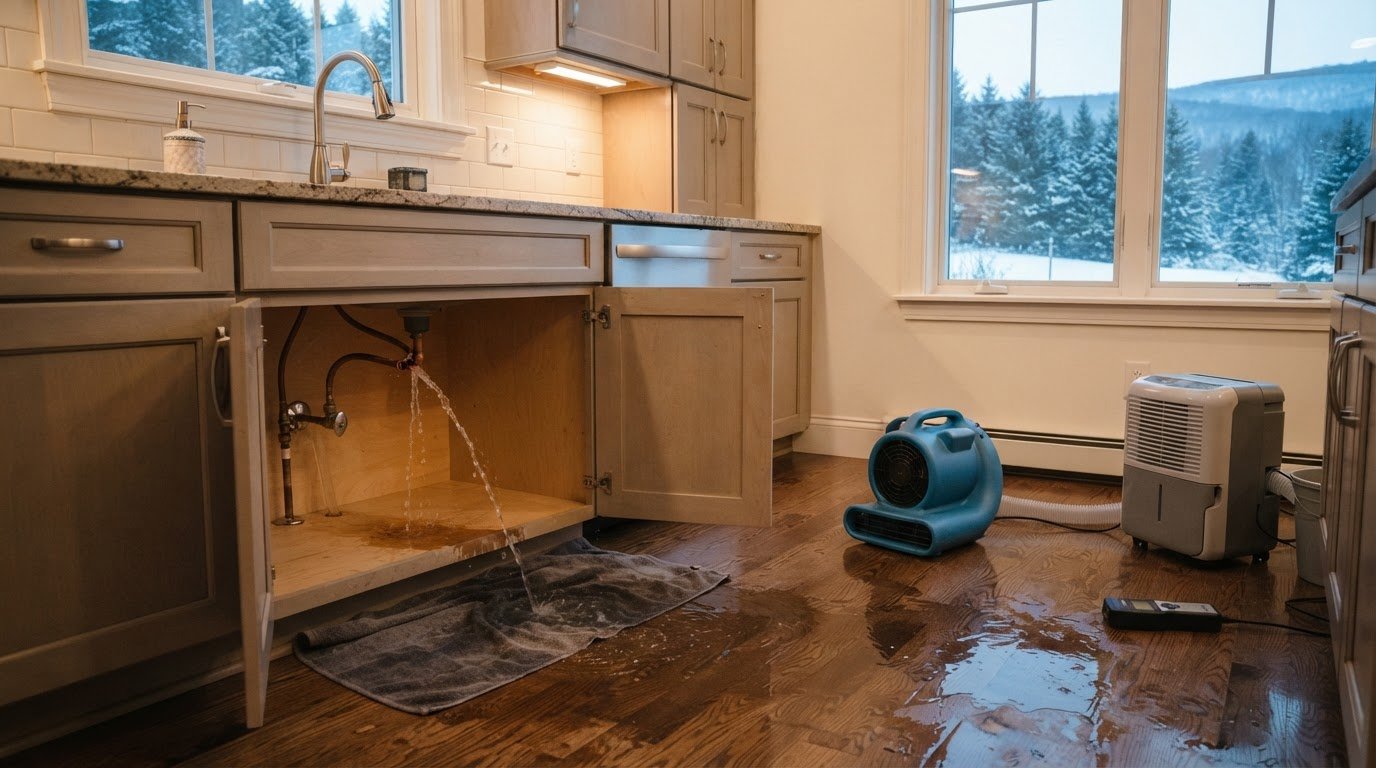
Water doesn’t always stay within the outline of a stain. It can move through or behind building materials, so the affected area may not match the mark on the painted surface. Its path depends on where the water entered and how it traveled through the wall or ceiling. An inspection helps establish how far moisture has reached.
That’s why an assessment considers nearby wall and ceiling areas, not just the discolored spot. The source matters too: water from a plumbing leak, an appliance, or an opening in the building can reach materials differently. Duration matters because materials exposed for longer may need a different response than those affected briefly. Share what you know about when the issue began and where water appeared. Those details help frame the inspection without relying on appearance alone.
A practical first step is to map the clues. Note the affected rooms and visible changes, and watch for new bubbling, peeling, softness, or shape changes. Don’t assume that a small stain means the issue is small, or that a dry-looking surface means surrounding materials are dry. A professional water damage assessment can help clarify the affected area and guide restoration steps for your East Stroudsburg property.
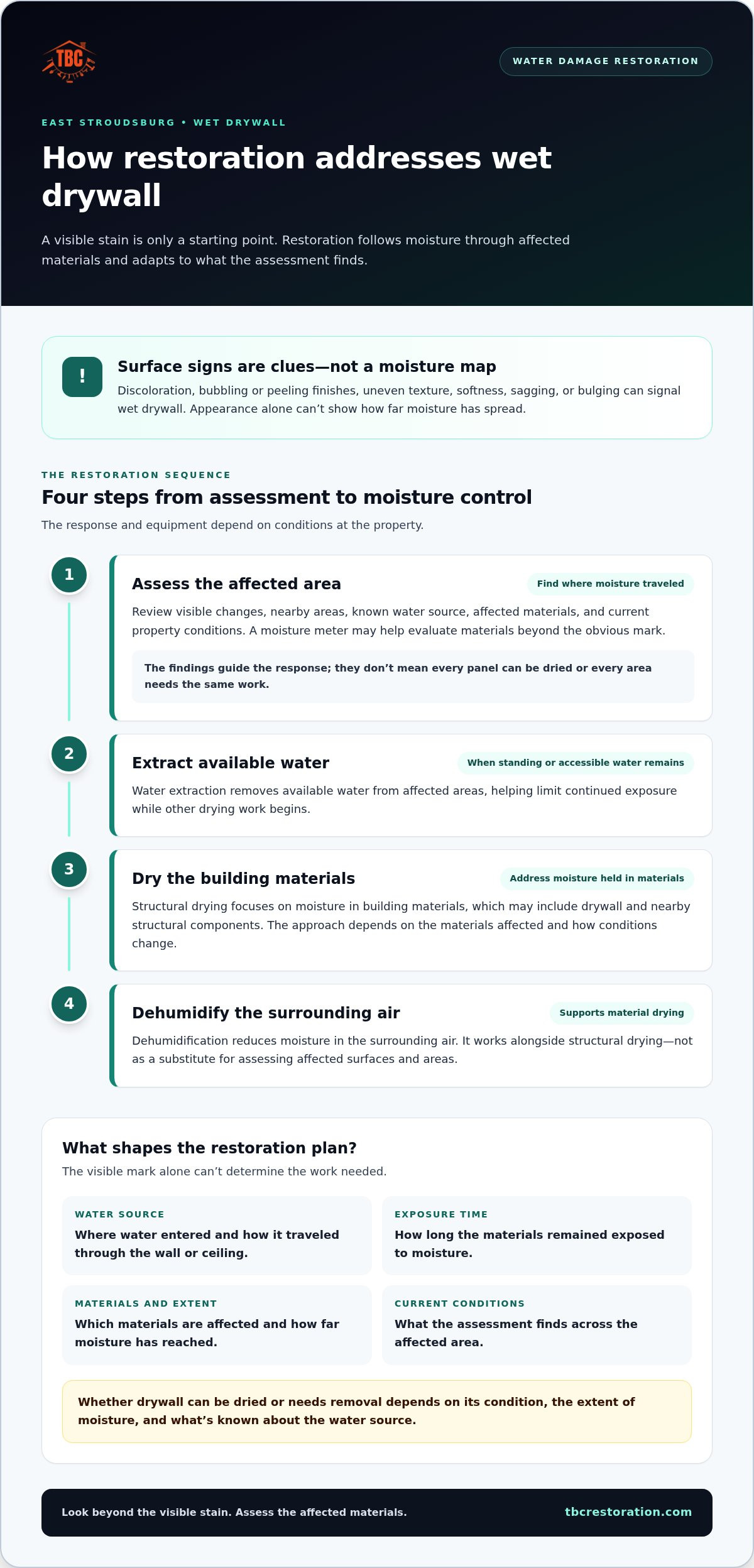
How Water Damage Restoration Addresses Wet Drywall
Restoration follows moisture through the affected area rather than treating a visible wall mark as the whole problem. For drywall water damage East Stroudsburg property owners can expect the response to depend on what the assessment finds, including the water source, materials involved, and conditions throughout the property. TBC Restoration’s water damage restoration includes water extraction, structural drying, and dehumidification as needed.
Drying addresses moisture in and around the wall, not just the dampness you can see on its surface. Drywall may sit beside or over other materials that also need attention. The IICRC publishes information on professional restoration practices, including IICRC Standards for Water Damage Restoration.
What happens during an assessment of wet drywall?
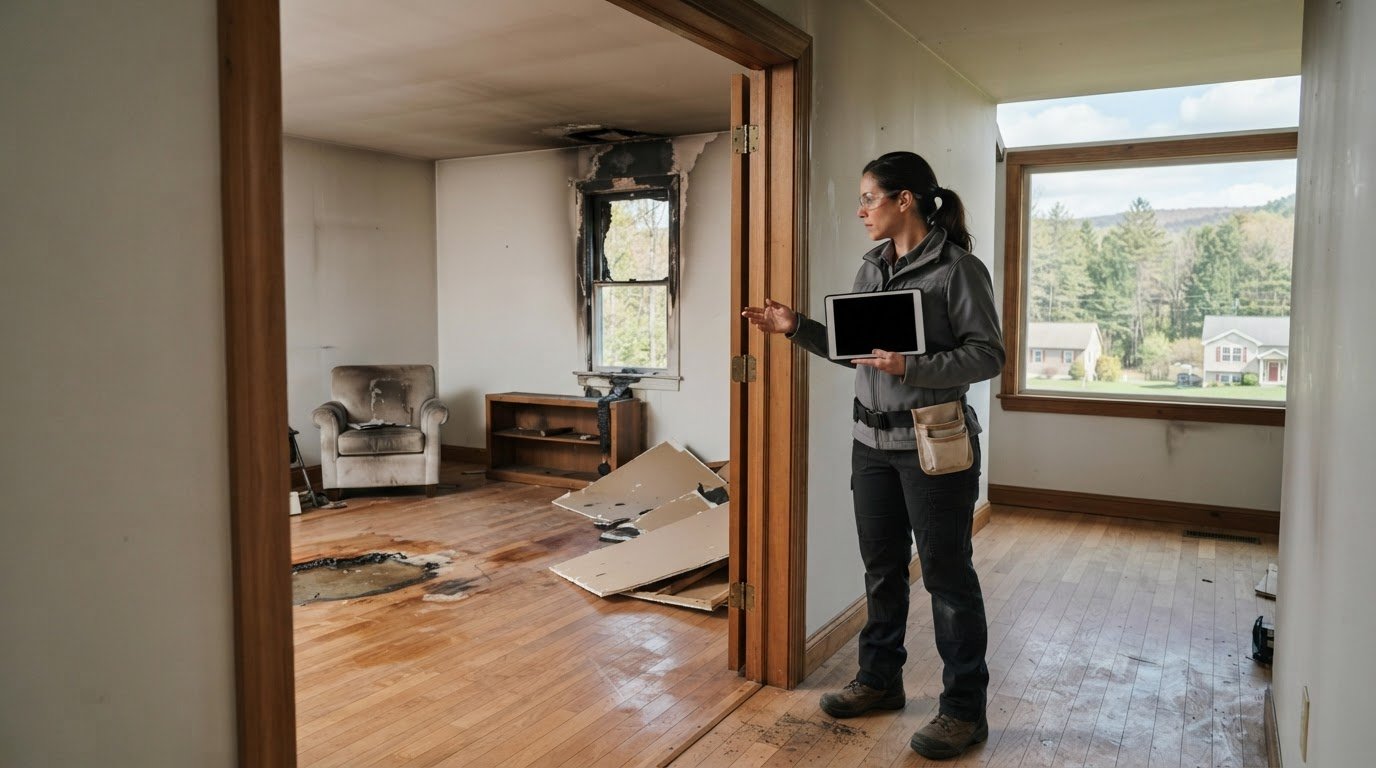
An assessment looks at visible changes and the surrounding area to understand where moisture may have traveled. Restoration professionals consider what is known about the source, how water entered, which building materials are affected, and the property’s current conditions. A moisture meter may help evaluate materials beyond the obvious mark. Findings guide the response; they don’t mean every panel can be dried or that every affected area requires the same work.
How do extraction, drying, and dehumidification fit together?
Each step addresses moisture in a different way. The sequence depends on conditions at the property, and not every situation requires the same amount of extraction or equipment.
Assessment: The team reviews visible damage, the surrounding area, and the known water source to identify affected materials and plan the restoration response.
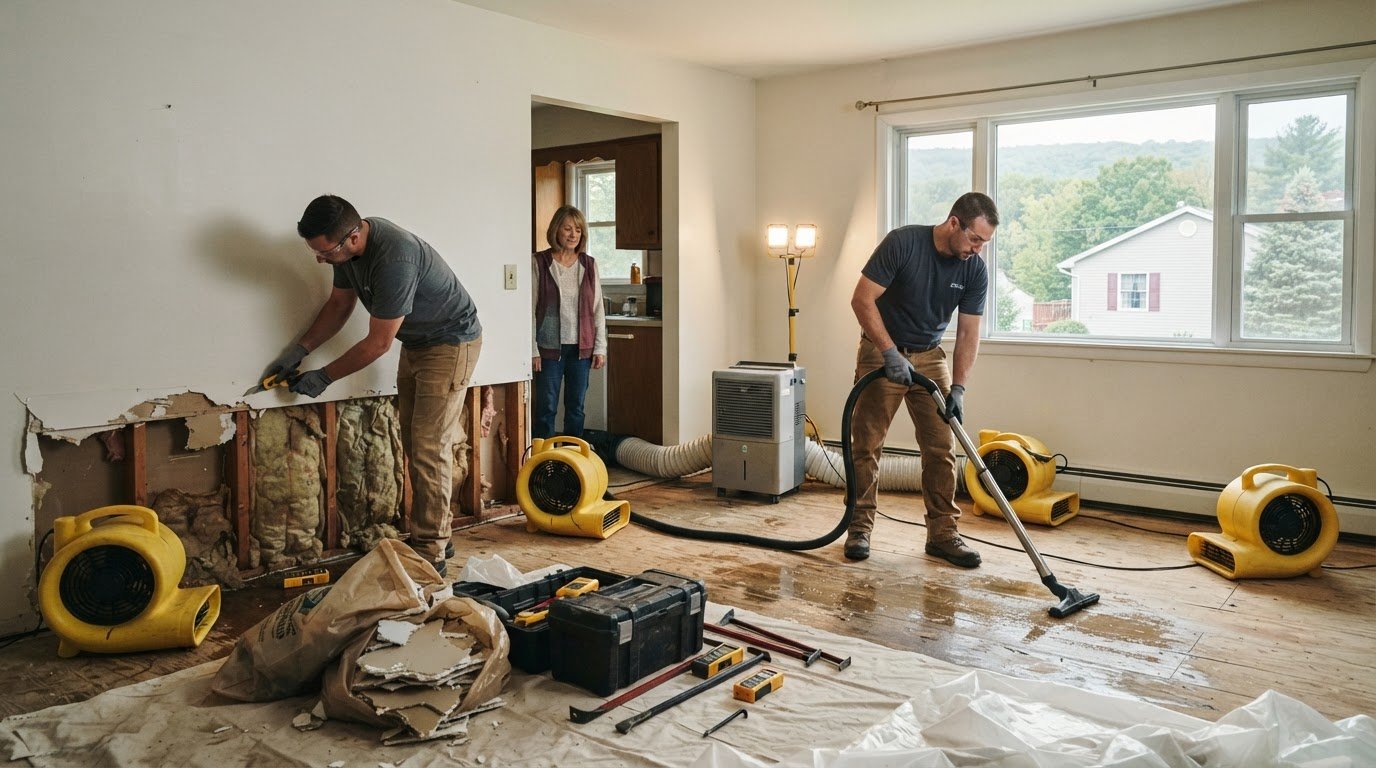
Water extraction: If standing or accessible water remains, extraction removes it from affected areas. Removing available water helps limit continued exposure while other drying work begins.
Structural drying: Drying focuses on moisture held in building materials, which may include drywall and nearby structural components. The approach depends on the affected materials and how conditions change during restoration.
Dehumidification: Dehumidification reduces moisture in the surrounding air, supporting the drying of damp materials. It works alongside structural drying, not in place of assessing affected surfaces and areas.
The source and conditions shape the plan. Water from a small, contained leak may affect a different area than water that has moved across a room or reached multiple materials. A visible stain alone can’t establish which materials need drying, so restoration considers the affected property and adjusts to what the assessment reveals.
If you’re unsure what’s behind a wet wall, a professional assessment can help clarify the next step. TBC Restoration provides water damage restoration in East Stroudsburg, including water extraction, structural drying, and dehumidification. Learn more about water damage restoration support for moisture affecting your property.
Can Water-Damaged Drywall Be Dried or Does It Need Removal?
There isn’t one visual rule that determines whether wet drywall can be dried or should be removed. A stain, peeling finish, or musty odor can alert you to a concern, but none of these signs alone settles the decision. The material’s condition, how widely moisture has spread, the water source, and surrounding property conditions all inform the assessment.
Drywall that remains firm and has limited moisture exposure may be evaluated differently from material that has softened, changed shape, or been affected along with nearby areas. That doesn’t guarantee a particular panel can be retained. A professional needs to understand the full picture before recommending a course of action, rather than making a decision from one symptom.
What factors influence whether drywall can be dried?
Assessment starts with the material itself: is it holding its shape, or does it appear swollen, sagging, or soft? The size and location of affected areas matter, too. Professionals also consider what caused the moisture and what other materials may have been exposed. A surface mark, odor, or isolated change in color can be useful context, but none proves on its own that removal is necessary or that drying will be sufficient.
Duration and surrounding conditions matter, but there is no single time-based cutoff that applies to every wall. For example, a small area exposed to a contained leak may present differently from drywall affected by water that moved into adjacent surfaces. The source can also influence how the affected area is evaluated. Restoration Industry Association resources offer broader context on the restoration field and Restoration Industry Best Practices.
Rather than relying on a fixed number of hours or one moisture reading, an assessment considers the material, extent of exposure, and conditions at the property together. Those details help determine whether drying is appropriate or whether removal may be part of the response. The decision is specific to the affected area, not a universal rule for all drywall.
When should a professional assess the affected wall?
Arrange an assessment if damage is extensive, keeps returning, or is difficult to evaluate from the surface. A stain that reappears after drying, for instance, may indicate an ongoing moisture issue that needs attention. Don’t assume a wall is dry behind its finish just because it feels dry to the touch. A surface glance cannot rule out moisture in nearby or concealed materials.
For drywall water damage East Stroudsburg property owners can rely on TBC Restoration’s water damage restoration service to assess conditions and address moisture through water extraction where needed, structural drying, and dehumidification. The findings guide the next steps. Water damage restoration support can help you move from observation to a clearer assessment.
Handling Drywall Water Damage in East Stroudsburg
Once you notice a possible water problem, a few clear observations can help move the situation forward. You don’t need to identify the cause or determine how far the moisture traveled. Record what you can see, note what you know, and leave assessment of affected materials to restoration professionals. A surface can look relatively unchanged even when nearby areas need attention.
What information should you gather about the damage?
Keep your notes simple and factual. Write down where the drywall appears affected, what changes you see, and when you first noticed them. If a mark spreads or a nearby area begins to bubble or soften, add that change to your record. Share only what you know about the water source, such as a visible leak or an appliance overflow. Don’t guess at the cause.
Location: Note the room and affected wall or ceiling, along with nearby areas that look different.
Visible changes: Record staining, bubbling, peeling, softness, or changes in shape, and note whether they appear to be changing.
Known source: Describe what you observed, such as water coming from a specific area, without assuming what caused it.
Timeline: Share when you first noticed the damage and any changes since then.
Photos can help you compare what you see over time. Take them from a consistent position and keep a brief note of the date. Don’t treat a photo, stain, or dry-looking surface as proof that moisture is limited to that visible spot. The outline of a mark doesn’t necessarily show the full area affected behind or beside it.
A useful report includes where the damage is, what has changed, when you noticed it, and what you know about the water source. These details help a restoration team understand the situation before assessing affected materials.
How can East Stroudsburg property owners get local restoration help?
If the damage is active, spreading, or difficult to evaluate, seek professional guidance rather than relying on surface appearance alone. TBC Restoration provides water damage restoration in East Stroudsburg, including water extraction, structural drying, and dehumidification. The company offers 24/7 emergency restoration services for urgent property damage situations. Your notes about the location, changes, timeline, and known source can help explain what you’ve observed. An on-site assessment determines the appropriate response for the property.
For drywall water damage East Stroudsburg property owners can take a steady next step: document the visible clues, avoid guessing about hidden moisture, and request help when the situation calls for it. Contact TBC Restoration to discuss water damage restoration for your property.
Water Damage Restoration for East Stroudsburg Drywall: A Local Next Step
A drywall stain can leave you with more questions than answers. The practical next step is to understand what’s happening across the affected area, then respond according to the property’s conditions. For drywall water damage East Stroudsburg homeowners and property managers can turn to water damage restoration that addresses moisture in drywall and nearby building materials, not only the visible mark.
What water damage restoration can address
TBC Restoration provides water extraction, structural drying, and dehumidification as part of its water damage restoration service. Each addresses a different part of the moisture problem. Extraction removes water from affected areas when needed. Structural drying focuses on moisture held in materials such as drywall and nearby components. Dehumidification helps manage moisture in the surrounding air as those materials dry.
Together, these steps support a property-level response. For example, if water has affected a wall and an adjacent area, restoration considers moisture conditions across the affected spaces rather than treating the wall’s surface in isolation. The right approach depends on the water source, materials involved, and what an assessment finds. Not every situation calls for the same work, and visible drywall damage alone can’t establish the full scope.
Water damage restoration focuses on managing the effects of water in the property. An assessment helps clarify the conditions and determine which restoration steps are appropriate, giving property owners a more informed basis for decisions about what should happen next.
How to take the next step with TBC Restoration
TBC Restoration serves East Stroudsburg and Monroe County, bringing local restoration support to homes and businesses dealing with water damage. Established in 2020, the company provides 24/7 emergency restoration services. Its team can assess the moisture situation and carry out water extraction, structural drying, and dehumidification as needed. The response is guided by the property’s conditions, with attention to reliable service and quality workmanship.
You can help the process start with useful context. Note where you see damage, when you noticed it, what has changed, and what you know about the water source. You don’t need to diagnose the problem or determine how far moisture has traveled. Clear observations give the restoration team a helpful starting point for assessing the affected property.
Water damage can feel uncertain, but you don’t have to decide alone whether visible drywall tells the whole story. A professional assessment can help clarify moisture concerns and the appropriate restoration response for your East Stroudsburg property. Reach out to TBC Restoration to discuss water damage restoration.
Take the Next Step Toward a Clear Plan
Uncertainty about a wall can make it hard to know what to do first. You don’t need to decide on your own whether the drywall can be dried or needs removal. The useful next step is to have the property’s conditions assessed, so decisions are based on what’s happening beyond the visible surface.
For drywall water damage East Stroudsburg property owners can turn to TBC Restoration for water damage restoration. A local team can help you move from concern to a practical plan for addressing the moisture issue. If the damage is urgent, TBC Restoration provides 24/7 emergency restoration services in East Stroudsburg and Monroe County. Established in 2020, the company brings local experience to restoration needs across the area.
Share what you’ve observed and what you know about the water source, then let the assessment guide the next steps. Contact TBC Restoration for local water damage restoration. A clear plan can help you move forward with greater confidence.
Frequently Asked Questions
How can you tell if drywall has water damage?
Water damage may show up as staining, bubbling paint, peeling finishes, softness, or a change in the wall’s shape. Look at nearby corners, trim, and the opposite side of an adjoining wall for clues that the affected area may be broader. Appearance alone can’t show how far moisture has spread. If the area is unclear or the wall feels soft, a professional assessment can help determine what needs attention.
Can water-damaged drywall be dried instead of removed?
Sometimes drywall may be dried, but the decision depends on its condition, the affected area, the moisture source, and an assessment of the property. A small surface mark doesn’t prove the material is either salvageable or beyond saving. Moisture management can address wet building materials, but it doesn’t mean every panel can be retained. An assessment helps distinguish what drying may address from materials that may require another course of action.
Should I remove wet drywall myself?
Visible wetness doesn’t show the full affected area or how materials behind the surface have been affected. Before deciding to remove drywall, arrange a professional assessment so the next steps reflect the conditions at the property. For example, a damp-looking section near a ceiling may not reveal the full path of water. A restoration professional can evaluate the affected area and guide the water-damage response without requiring you to make a demolition decision based on appearance alone.
Can water-damaged drywall lead to mold?
Lingering moisture can create conditions where mold may develop, but a stain or musty smell alone doesn’t confirm mold or establish what treatment is needed. Addressing the moisture is an important part of responding to the concern. If you see suspected growth or the affected area remains damp, seek an assessment rather than relying on appearance to identify the issue. TBC Restoration provides mold remediation and testing when mold concerns need professional attention.
How does professional water damage restoration dry drywall?
Professional restoration starts with an assessment of the affected area and property conditions. If water remains, extraction removes it from affected spaces. Structural drying then addresses moisture held in drywall and other building materials, while dehumidification manages moisture in the surrounding air. The work depends on the water source and what the assessment finds. Drying time and results vary by situation, so a fixed duration shouldn’t be assumed.
Is water damage restoration available in East Stroudsburg, PA?
Yes. TBC Restoration provides water damage restoration in East Stroudsburg and serves Monroe County. The service includes water extraction, structural drying, and dehumidification, and 24/7 emergency restoration services are available. The company also serves local communities including Stroudsburg, Marshall’s Creek, Bushkill, Crescent, Mount Pocono, Bangor, Tannersville, Snydersville, and Saylorsburg.
What should I do first after finding water damage on drywall?
Start by noting where the damage appears, when you noticed it, and any details you know about the water source. For example, record whether the mark is near a window, ceiling, or appliance, but don’t guess at the cause. If you can’t tell how far moisture may have spread, arrange a professional assessment. TBC Restoration provides water damage restoration in the East Stroudsburg area to help assess property conditions and address moisture.
Comments